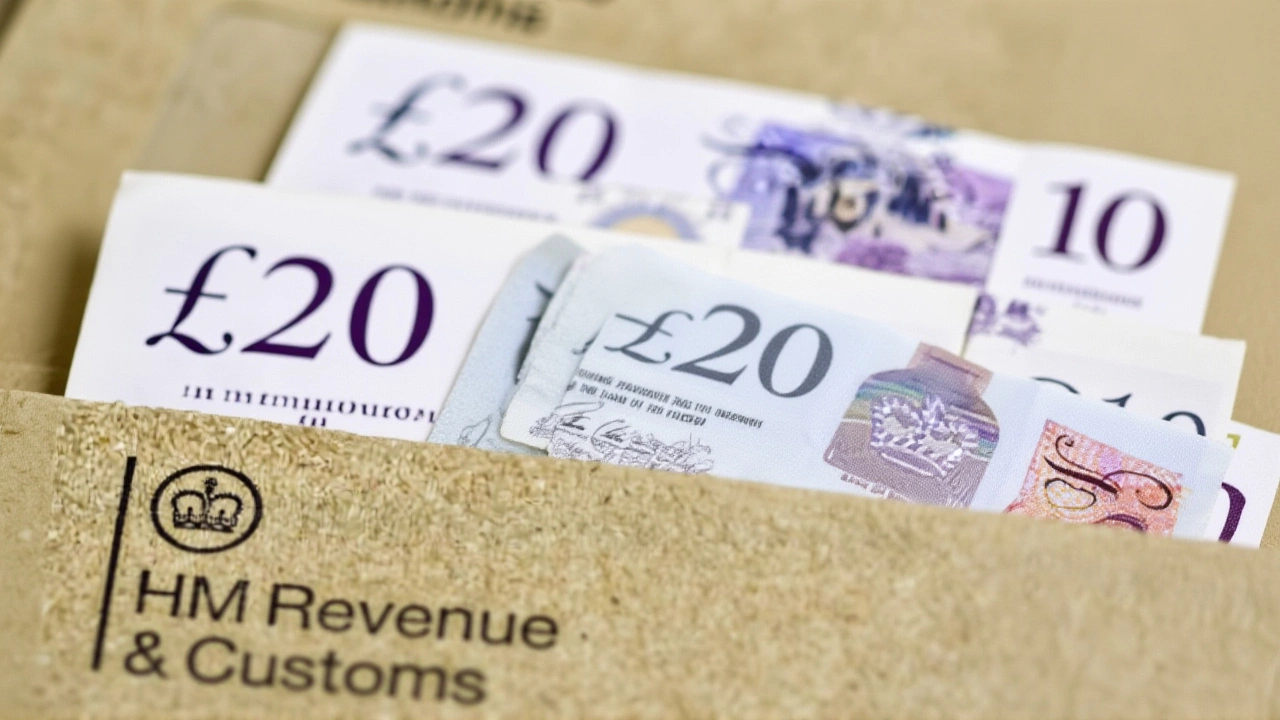
When HM Revenue and Customs (HMRC) admitted to a systemic failure in its tax coding system, the ripple effects were immediate. While earlier reports suggested around 470,000 people had lost out on roughly £1.37 billion, new analysis suggests the scope is far wider. Estimates now indicate that up to 1.7 million state pensioners may have been overcharged due to this major administrative error.
The revelation has sent shockwaves through London, where the tax authority is headquartered, and across the nation. For retirees living on fixed incomes, even a small monthly overpayment can mean the difference between paying bills and cutting back on essentials like heating or food. The twist is that many of these individuals are not just losing money; they are losing trust in a system that was supposed to protect them.
The Scale of the Mistake
Here’s the thing: tax codes aren’t just numbers. They’re the instruction manual for how much tax you owe. When HMRC gets it wrong, your paycheck shrinks. In this case, the error appears to stem from outdated data and software glitches that failed to account for recent changes in personal allowances and pension income thresholds.
According to figures cited by advocacy groups, the initial scandal involved approximately 470,000 taxpayers who collectively overpaid £1.37 billion. But as investigators dug deeper, the pattern expanded. It turns out that the glitch affected a broader demographic—specifically, those receiving state pensions alongside other taxable income. This group, numbering close to 1.7 million, was inadvertently placed into higher tax brackets than they should have been.
Why does this matter? Because £1.37 billion isn’t just a statistic. It’s real money taken from people who’ve already paid their dues. And if the 1.7 million figure holds true, the total sum could easily double or triple, creating one of the largest taxpayer refund crises in recent memory.
Who Is Affected?
The victims here aren’t faceless entities. They’re grandparents, veterans, and long-term residents who followed all the rules. Many didn’t even realize they were being overcharged until they saw their bank statements dip unexpectedly each month.
Take the case of Margaret Higgins, a 72-year-old retiree from Manchester. She told local reporters she noticed her direct deposit was £45 less than usual every month. “I thought I’d made a mistake,” she said. “But then I found out hundreds of thousands of us had.” Her story is echoed across the country, from Glasgow to Cardiff.
Advocacy organizations like Age UK have stepped in to help confused pensioners navigate the refund process. They report a surge in calls since the issue broke publicly last week. The demand for support highlights a critical gap: while HMRC controls the data, ordinary citizens lack the tools to verify their own tax status easily.
Government Response and Accountability
In response to mounting pressure, government officials have promised swift action. A spokesperson for HMRC stated that automatic corrections would be issued to affected accounts within the next three months. However, critics argue that waiting won’t fix the damage done during those months of underpayment.
“This isn’t just about getting money back,” said Henry Tapper, a pension rights campaigner. “It’s about dignity. These people were penalized for no fault of their own. Now they’re told to wait while bureaucrats sort it out.” His comments reflect growing frustration among constituents who feel ignored by Westminster.
Meanwhile, Members of Parliament are calling for an independent review of HMRC’s IT infrastructure. The agency has faced scrutiny before—notably after previous coding errors in 2019 and 2021—but each time, promises of reform have faded into bureaucratic inertia. This time, however, the scale seems too large to ignore.
What Should You Do?
If you suspect you’ve been overcharged, don’t panic. First, check your latest P60 form or payslip. Look at your tax code—it should match what HMRC says you’re entitled to based on your income level. If something looks off, contact HMRC directly via their online portal or phone line.
You can also seek help from Citizens Advice or Age UK, both of which offer free guidance on reclaiming overpaid tax. Keep records of all correspondence, including dates and reference numbers. Patience is key, but so is persistence.
- Check your most recent payslip or P60 for anomalies.
- Contact HMRC using official channels only.
- Seek assistance from trusted charities like Age UK.
- Document everything for future claims.

Broader Implications for Public Trust
This incident underscores a deeper problem: reliance on complex digital systems without adequate safeguards. As more services move online, the margin for error grows—and so do the consequences when things go wrong.
Experts warn that unless HMRC invests heavily in user-friendly verification tools and transparent communication, similar scandals will recur. After all, technology doesn’t eliminate human error; it amplifies it when poorly designed.
For now, millions await refunds. But beyond the financial impact lies a question of accountability. Who watches the watchers? And how do we ensure that vulnerable populations aren’t left behind in the rush toward efficiency?
Frequently Asked Questions
How do I know if I was overcharged by HMRC?
Review your recent payslips or P60 forms for unexpected deductions. Compare your tax code with HMRC’s published guidelines for your income bracket. If discrepancies appear, contact HMRC directly or consult Age UK for free advice.
When will refunds be processed?
HMRC has committed to issuing automatic corrections within three months. However, processing times may vary depending on individual circumstances. Proactive follow-up may speed up resolution.
Is there any compensation for inconvenience?
Currently, HMRC offers no additional compensation beyond repaying the overcharged amount. Campaigners are urging ministers to consider interest payments or hardship grants for severely impacted households.
Could this happen again?
Without significant upgrades to HMRC’s IT systems and improved oversight mechanisms, yes. Experts recommend regular audits and public reporting of coding accuracy rates to prevent recurrence.
Who else besides pensioners might be affected?
While pensioners are the primary group identified, anyone with multiple income sources—including part-time workers, freelancers, or those receiving benefits—could potentially be impacted by similar coding errors.