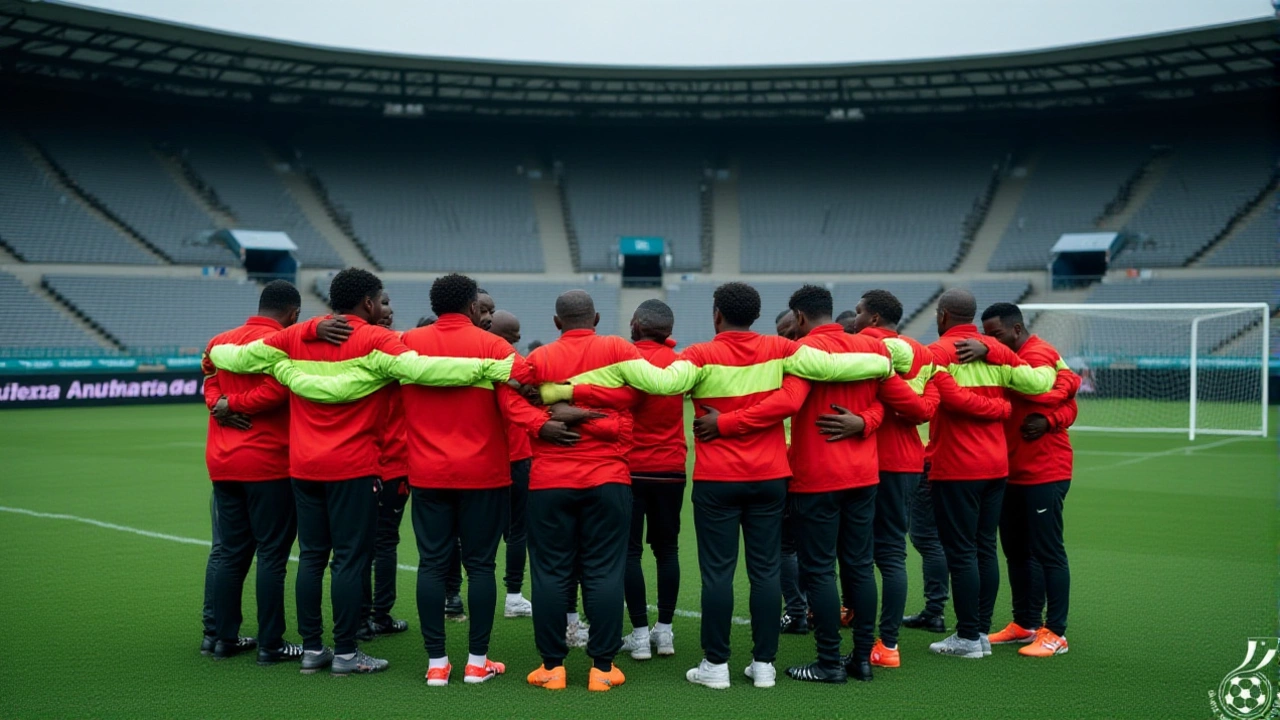
When Ghana Black Stars took the field in Busan on Tuesday, November 18, 2025, they weren’t just playing for pride—they were fighting for momentum heading into 2026 World Cup qualifiers. But a 63rd-minute header from Lee Tae-Seok handed South Korea a 1-0 win, sealing Ghana’s second straight defeat in the 2025 Kirin Challenge Cup and ending their year without a single goal scored.
Back-to-Back Defeats, Zero Goals
Five days after losing 2-0 to Japan in the same tournament, the Black Stars once again came up empty. They dominated possession in the first half, created half-chances, and even had a goal disallowed for offside—only to watch Lee Kang-In, the Paris Saint-Germain playmaker, deliver a perfect cross that Lee Tae-Seok met with a thunderous far-post header. It was the kind of clinical finish that exposed Ghana’s defensive fragility, even as they improved from their Japan performance.
According to GhanaWeb and MyJoyOnline, Ghana conceded three goals across the two Kirin Cup matches and failed to register a single shot on target in either. That’s not just poor luck—it’s a pattern. Coach Otto Addo shuffled seven starters from the Japan game, bringing in debutants like goalkeeper Benjamin Asare and forwards Christopher Bonsu Baah and Prince Kwabena Adu. The changes were meant to inject energy. They did. But not enough to break through.
Asare’s Heroics Couldn’t Save the Day
Here’s the twist: Ghana’s best player wasn’t on the scoresheet. He was between the posts.
Minutes after Lee Tae-Seok’s goal, South Korea’s Hwang Hee-Chan was awarded a penalty after a clumsy challenge by defender Caleb Yirenkyi. The striker stepped up—weakly. And Benjamin Asare dove left, palming it away with his fingertips. GhanaWeb called it "brilliant." MyJoyOnline labeled it "heroic." And for good reason: it was the only moment in the match that had the Ghanaian bench leaping to their feet.
Asare, 24, was one of the few bright spots. He made four key saves, including a stunning stop on a late Eom Ji-Sung strike that rattled the post in the 94th minute. Yet even his brilliance couldn’t mask Ghana’s lack of cutting edge up front. Two goals were correctly ruled offside—Prince Kwabena Adu and Jonas Adjei Adjetey—and substitute Brandon Thomas-Asante came within inches of equalizing, his curling effort hitting the post in the 78th minute.
Missing Pieces and Tactical Gaps
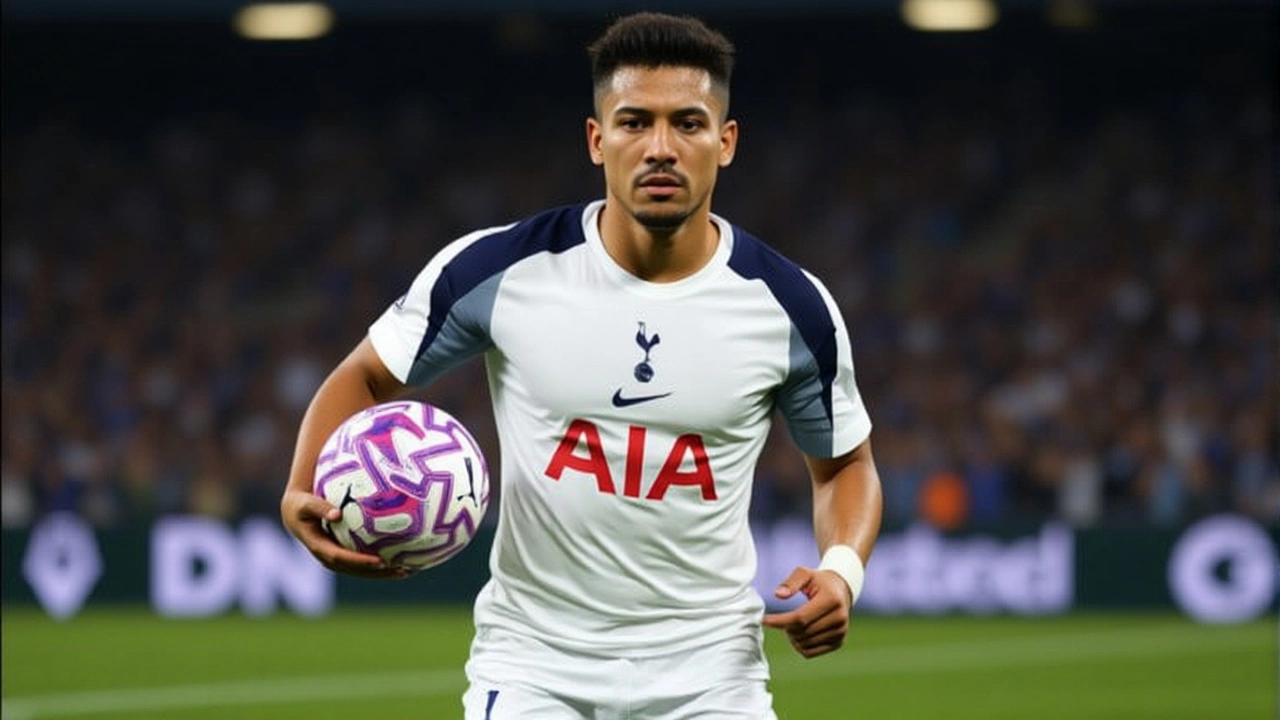
South Korea’s midfield—led by captain Heung-Min Son—controlled the tempo with surgical precision. Son’s vision, Lee Kang-In’s dribbling, and Hwang Hee-Chan’s movement created constant pressure. Ghana, by contrast, looked disjointed. Midfielders Kojo Pepprah Oppong and Prince Owusu struggled to link play, while the backline, missing injured stalwarts like Nana Agyemang and Daniel Amartey, looked slow to react.
"They were much better than against Japan," said Ghanaian Times in its post-match analysis. But "much better" doesn’t win World Cup qualifiers. It just delays the reckoning.
For a team that reached the quarterfinals in 2010 and 2014, this is alarming. Ghana’s last win over a top Asian side? That was in 2015. Since then, they’ve lost five of six meetings with South Korea, Japan, and Saudi Arabia. And now, with the 2026 qualifiers looming in March, the questions are piling up: Is the squad too old? Too disjointed? Too reliant on individual brilliance?
What Comes Next for the Black Stars?
The 2025 campaign ends with two losses, zero goals, and a defense that looks increasingly vulnerable. The next international window is March 2026, when Ghana opens their World Cup qualifying campaign against Angola. But the squad won’t be the same.
Several key players—like Mohammed Kudus and André Ayew—are expected to return from club commitments, but Addo can’t afford to wait for stars. He needs structure. He needs a clear attacking identity. And most of all, he needs to solve the goal-scoring crisis.
For now, Ghana’s players are heading home. The fans are frustrated. And the clock is ticking.
South Korea’s Quiet Confidence
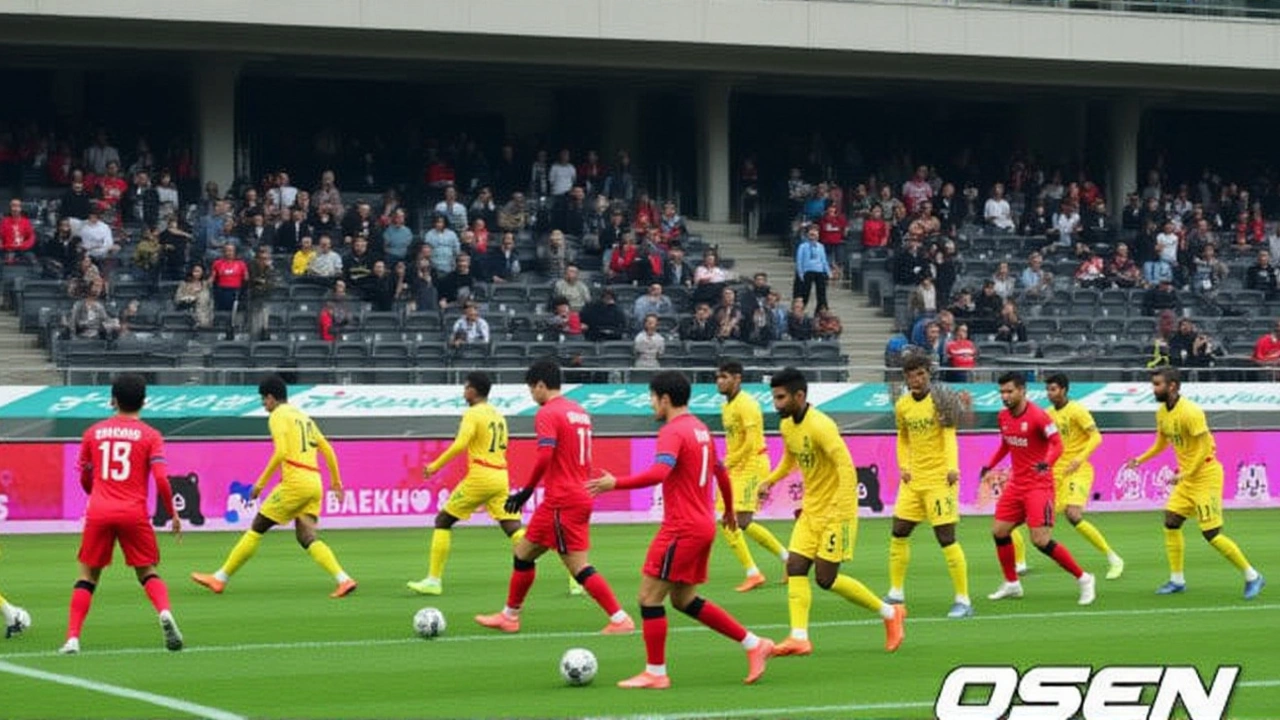
For South Korea, this was a textbook tune-up. They didn’t dominate, but they didn’t need to. They absorbed pressure, waited for mistakes, and punished them. Lee Tae-Seok’s goal was his first international strike since 2023, and it came at the perfect time—just before the 2026 World Cup draw.
With Son, Lee Kang-In, and Hwang Hee-Chan all fit and firing, South Korea looks like a genuine contender. Their defense, anchored by Kim Min-Jae, held firm despite Ghana’s early pressure. And while they didn’t dazzle, they didn’t have to. In international football, sometimes the most dangerous team is the one that doesn’t make mistakes.
Frequently Asked Questions
Why did Ghana fail to score despite creating chances?
Ghana’s attacking players lacked cohesion and clinical finishing. Despite creating 11 clear chances, only two shots were on target, and both were ruled offside. The absence of experienced forwards like André Ayew and the inexperience of new starters like Christopher Bonsu Baah meant Ghana couldn’t convert pressure into goals—a recurring issue since 2022.
How did Benjamin Asare’s performance impact the match?
Asare’s penalty save in the 66th minute was the defining moment of the game. Without it, South Korea would have won 2-0. He made four saves total, including two one-on-one stops, and was Ghana’s only consistent threat on the pitch. His performance earned him Man of the Match honors from GhanaWeb and MyJoyOnline, despite the loss.
What does this mean for Ghana’s 2026 World Cup qualifying chances?
Ghana sits in a tough group with Angola, Tunisia, and Gabon. Two goalless defeats in Asia have exposed a lack of firepower. If they can’t find a reliable striker before March 2026, they risk finishing third in their group. Coach Otto Addo must prioritize attacking options in the January transfer window.
Why was the match played in Busan instead of Seoul?
Though initially reported as Seoul, multiple sources—including ESPN and GhanaWeb—confirmed the venue was the Busan Asiad Main Stadium. South Korea often uses regional stadiums for friendlies to promote football nationwide. Busan’s pitch conditions and weather mirrored those in Europe, making it ideal for Ghana’s preparation.
Who were the key players missing from Ghana’s squad?
Ghana was without captain André Ayew, midfield engine Mohammed Kudus, and defenders Daniel Amartey and Nana Agyemang—all injured or on club duty. Their absence left the team lacking leadership and physical presence, particularly in midfield, where South Korea’s Lee Kang-In and Hwang Hee-Chan exploited gaps freely.
Is Otto Addo under pressure after these results?
Yes. Addo’s contract runs through 2026, but the Ghana Football Association is watching closely. Two goalless losses in Asia, coupled with poor performances in 2024 qualifiers, have raised doubts about his tactical approach. If Ghana doesn’t beat Angola in March, calls for his replacement could grow louder—even if he’s popular among fans for his honesty and discipline.